


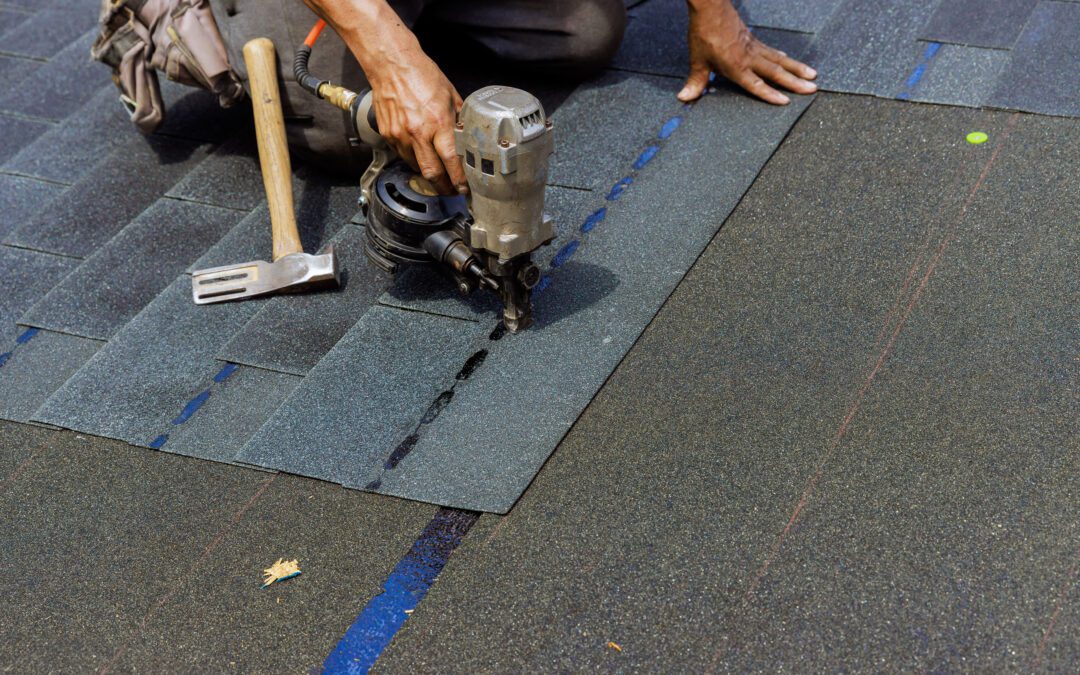
Most of us treat our roofs like that one weird noise in the car—we ignore it and hope it goes away until we absolutely can’t ignore it anymore. We don’t wake up thinking about shingles; we think about work, the kids, or what’s for dinner. Usually, a roof replacement in Richmond, VA doesn’t cross a homeowner’s mind until something starts nagging at them.
Maybe it’s a watermark on the living room ceiling that seems to grow every time we get a typical Virginia downpour. Maybe you found a couple of shingles in the yard after a windy night, or perhaps you just realized that while the rest of your house looks great, the roof is looking a little… tired.
That’s usually how the journey begins. It’s rarely one giant, cinematic disaster. Instead, it’s a handful of small signs that make you wonder: Is a quick patch still enough, or am I just delaying the inevitable? For Richmond homeowners, this question is a big one. Between the sweltering July humidity, heavy spring rains, and the occasional winter ice storm, our roofs put in a lot of overtime. When a roof starts showing its age, waiting for “the big one” usually just makes the eventual project more stressful and expensive.
Roof Issues Usually Don’t Start With a Bang
We tend to think of roof failure as a tree limb crashing through the attic or a massive collapse. In reality, roofing problems are much more subtle. They’re “slow burners.”
The Earliest Signs Are Easy to Dismiss
A lot of roofing problems start quietly. You might notice a few shingles curling at the edges, or a dark patch that looks like a harmless shadow from the ground. Maybe there’s a tiny leak in the guest room, but “only when the wind blows from the east.” It’s incredibly easy to tell yourself it’s not a big deal yet.
But that’s the trick. Roof problems build momentum. What starts as a minor nuisance is often a symptom of the protective layers beneath your shingles beginning to fail. By the time you see a “big” problem, the “small” problem has likely been there for months, quietly compromising your home’s skeletal framing.
When Small Problems Start Hanging Out Together
One issue by itself, like a single missing shingle, might just mean you need a quick roof repair. But when several signs start appearing at the same time, the math changes. If you’re dealing with a recurring leak and visible shingle wear, or storm damage and an aging roof, you aren’t looking at isolated incidents anymore.
At that point, it’s no longer about one “spot fix.” It’s about whether the roof as a complete system is still doing its job. This is where a company like JC Siding comes in. Because they look at the whole exterior—from your siding to your gutters—they can tell you if your roof is just having a bad day or if it’s truly reached the end of its lifespan.
The “Bucket List”: Recurring Leaks are a Major Warning Sign
A leak that keeps coming back is the roof’s way of screaming for help. Even if the stain on your ceiling seems small or the drip only appears during a “once-a-year” storm, repeated moisture problems are impossible to ignore for long.
Water is remarkably patient; it will find the path of least resistance every single time. What you see inside your home is usually just the tip of the iceberg. By the time water travels through the shingles, underlayment, decking, and insulation to hit your drywall, it has already done plenty of unseen damage.
This is why recurring leaks create so much anxiety. You might patch one area this spring, only to find another weak spot opens up next autumn. When you find yourself “chasing” leaks from one corner of the house to the other, it’s a sign that the underlying materials have lost their integrity. In these cases, a full roof replacement is often the more sensible, long-term financial move compared to an endless string of temporary patches.
Visible Wear: Shingles, Storms, and “The Shedding”
Your shingles are the frontline soldiers of your home. When they start looking rough, the rest of the house is vulnerable.
Curling, Cracking, and Missing Shingles
Shingles are designed to lay flat and overlap to create a waterproof shield. When they start curling at the corners (known as “cupping”) or cracking across the middle, it means the asphalt is drying out and losing its flexibility. If you can see these issues from the ground, the damage is likely much worse up close.
Missing shingles are an even more immediate concern. Every time a shingle blows off, it leaves a “bald spot” where water can enter directly. If the roof looks patchy or uneven, it’s a visual confirmation that the materials are aging out.
Storm Damage and the Tipping Point
In Richmond, we get our fair share of wild weather. Sometimes a roof has been hanging on by a thread for years, and one strong thunderstorm is what finally pushes it over the edge. High winds can lift shingles just enough to break their seal, while heavy rain tests every minor crack.
It’s important to remember that a storm doesn’t always “break” a roof; it often just exposes how vulnerable the roof already was. If you’re out in the yard picking up pieces of shingles after a windy afternoon, it’s time to call in a pro for an honest assessment.
The “Sand” in Your Gutters
Have you noticed an unusual amount of dark, sandy grit collecting in your gutters? Those are shingle granules. They are there to protect the shingles from UV rays and general wear. As shingles age, they begin to “shed” these granules more heavily.
While a little bit of granule loss is normal for a new roof, seeing piles of them in your gutters is a sign that your shingles are becoming brittle. When you combine granule loss with visible leaks or curling, you’re looking at a roof that is no longer capable of defending itself against the elements.
The “Oh No” Sign: A Sagging Roofline
If there is one sign that should never be ignored, it’s a sagging roofline.
When you step back and look at your house from the street, the lines of the roof should be straight and sharp. If you notice a dip, a curve, or a visibly sagging area, that goes beyond cosmetic wear. A sag usually points to structural issues, often caused by long-term moisture that has rotted the decking or weakened the rafters.
A sagging roof isn’t something you “monitor” for another year. It’s a serious red flag that requires immediate professional attention before it becomes a safety hazard.
Age vs. Patchwork Fatigue
Sometimes, the biggest sign isn’t a leak or a sag—it’s just the calendar. Most asphalt shingle roofs are designed to last between 20 and 25 years. If your roof is approaching that milestone, even if it “looks fine,” it’s likely nearing the end of its useful life.
The Cost of Continued Patching
There comes a point when another roof repair stops feeling like a solution and starts feeling like a delay tactic. If you’ve had the repairman out three times in the last two years, you have to ask yourself: Is the money I’m spending on patchwork actually buying me peace of mind, or is it just a down payment on the replacement I’ll eventually need anyway?
In many cases, the stress and cumulative cost of constant repairs outweigh the investment of a new roof. A new roof doesn’t just stop leaks; it improves your home’s energy efficiency and boosts your curb appeal instantly.
Why Waiting Too Long Makes It Harder
We don’t put off roof work because we don’t care; we put it off because we’re busy, or we’re hoping the problem isn’t as bad as we think. That’s a very human reaction. However, roofing problems are unique because they tend to get exponentially more expensive the longer they sit.
A roof that is shedding shingles or leaking isn’t just an overhead problem. It’s a threat to your insulation, your drywall, and your electrical systems. Acting earlier gives you more control. You get to choose your materials, plan your budget, and pick a timeline that works for you—rather than having a major leak force your hand during a holiday weekend.
The Quick Checklist: Is It Time?
If you can check off more than two of these, it’s time to have a serious conversation about roof replacement:
- [ ] Leaks keep appearing in the same (or new) spots.
- [ ] You can see shingles curling, cracking, or “balding” from the street.
- [ ] There are “bald spots” where shingles have blown off.
- [ ] Your gutters are full of shingle granules (the “sand”).
- [ ] The roofline looks uneven or has a visible dip.
- [ ] The roof is over 20 years old.
- [ ] You’ve already paid for multiple repairs in the last few years.
Why Richmond Homeowners Choose JC Siding
When you’re trying to decide whether to repair or replace, you need an honest partner, not a high-pressure salesperson. This is where local trust makes all the difference.
JC Siding has built a reputation in Richmond by being straightforward. Because they handle everything from roofing and siding to gutters, they understand how all these parts of your home work together. They aren’t going to try to sell you a full replacement if a repair will truly solve the problem, and they aren’t going to put a “band-aid” on a roof that’s actually a safety risk.
More Than Just Shingles
A great roofing project isn’t just about tearing off the old and nailing on the new. It’s about guidance. It’s about choosing the right materials that can stand up to Richmond’s unique climate. JC Siding brings local experience to the table, ensuring that your new roof isn’t just a “finishing touch,” but a long-term investment in your home’s value.
If your roof is making you wonder “how much longer?” it’s probably time to find out for sure. You don’t need to wait for a disaster to start the conversation. For Richmond homeowners who want a clear assessment and a reliable path forward, JC Siding is a strong local choice.
Take the Next Step
Don’t wait for the next big storm to test your roof’s limits. Whether you need an expert roofing evaluation or a quote for a full replacement, getting professional eyes on the situation is the smartest move you can make.
Contact JC Siding today to get an honest look at your roof and find out what your home really needs to stay protected.